The Enduring Power of the Theatre Mask
The theatre mask stands as the most recognizable symbol of the performing arts. It captures the duality of human emotion through the frozen expressions of comedy and tragedy. At The Theatre Craft, we explore how this ancient tool transforms an actor into a character. The mask does more than hide a face. It projects an identity to the furthest rows of the audience. Students analyzing these historical artifacts often find that the request to write my discussion post appears frequently during their coursework. We are here to help you understand the deep roots of this tradition. From the rituals of Greece to modern physical theatre, the mask remains essential. It is not just a piece of costume but the very soul of dramatic expression.
Roots in Ancient Ritual
The history of the theatre mask begins in ancient Greece. These artifacts were originally essential for the worship of Dionysus. They allowed a small number of actors to play many different parts on a massive stage. The mask also helped project the voice to the back rows of the amphitheater. Today, many students analyze this fascinating era to understand the foundations of drama. Experts from the service which can write essay for me by DoMyEssay point out that these masks defined the very structure of early performance. They turned a religious ceremony into the structured art form we recognize today. The exaggerated features allowed the audience to instantly recognize a character from a great distance. This tradition set the standard for visual storytelling that continues to influence modern acting methods.
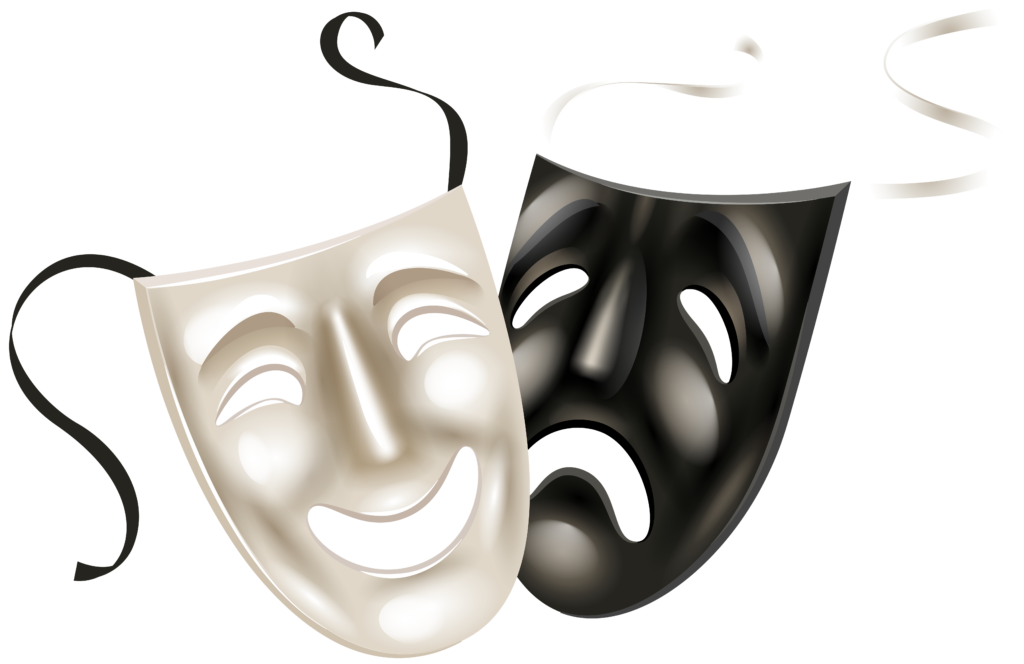
The twin masks of comedy and tragedy are the universal symbols of the theatre. They represent the extreme ends of human emotion. Many academic courses require students to analyze plays that use these powerful devices. Reviewing the already written book reports is a helpful way to see how others interpret this duality. These documents often provide a clear guide on how to structure an analysis of dramatic symbolism. They help clarify why these frozen expressions still hold such weight on the modern stage. This research allows new actors to understand the legacy they step into when they perform.
The Mask in Modern Musicals
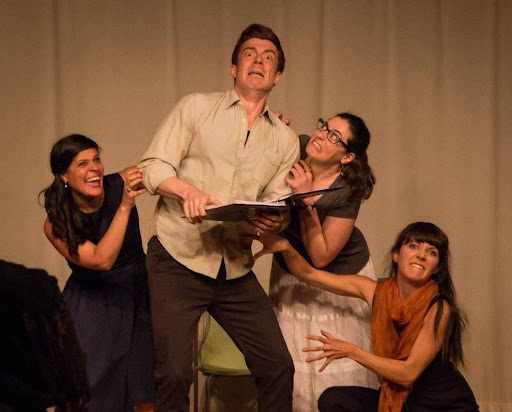
Broadway has kept the tradition of the mask alive in spectacular ways. Shows like The Lion King prove that this ancient tool still captivates modern audiences. In these productions, the mask allows actors to portray animals or mythical creatures with grace. It merges the human form with the fantastical. This creates a unique visual language that music alone cannot achieve. The mask becomes part of the identity of the character. We see this clearly in The Phantom of the Opera, where it adds a layer of mystery. It helps the audience suspend disbelief and accept the magical world on stage.
Training and Experimentation
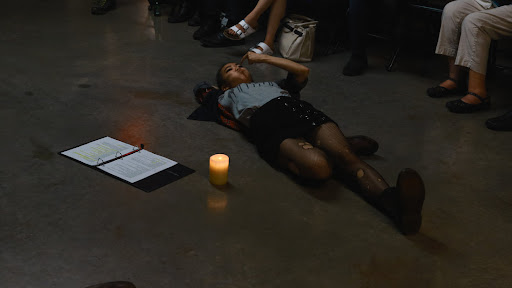
Smaller experimental theaters often use masks to push the boundaries of acting. This is common in physical theatre and training programs. The neutral mask is a key tool here. It removes the facial expressions of the actor completely. This forces the performer to express emotion through their body and movement. It is a challenging technique that builds a strong stage presence. By stripping away the face, the actor learns to be more honest with their physical actions. This method reimagines how stories are told without words and helps actors connect deeply with their roles.
A Universal Language
The impact of the mask extends far beyond the history books. It serves as a bridge between different cultures and eras. By wearing a mask, an actor gives up their own identity to become a universal symbol. This allows the audience to connect with the character on a deeper level. It removes the barrier of the individual face. This creates a shared experience that is powerful and immediate. We see this in traditions ranging from Japanese Noh to Italian comedy. The mask remains a vital tool for storytelling because it speaks a language we all understand without words.
The Art of Construction
Creating a theatre mask is a skilled craft. It requires a deep understanding of the human face and bone structure. Artisans historically used materials like leather, carved wood, or papier-mâché. Today, makers also use lightweight plastics and latex. The mask must be durable enough to withstand the rigors of a performance. It also needs to fit comfortably so the actor can speak and breathe without obstruction. A well-made mask acts as a second skin that empowers the performer.
Physical Expression
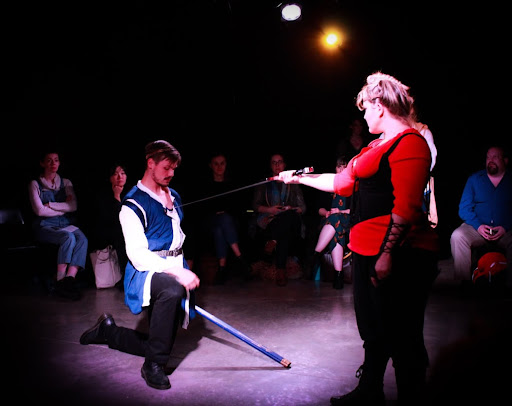
Wearing a mask changes the physical behavior of an actor. Since the face is static, the body must work harder to communicate emotion. This requires a shift in energy and focus. Actors learn to use broad gestures and posture to convey what a smile or frown usually would. It turns the entire body into an instrument of expression. This technique demands high energy and precise movement. The result is a dynamic performance that reaches the very back of the theatre.
A Timeless Legacy
The theatre mask remains a vital part of performance history. It connects the ancient past to the modern stage. Whether in a museum or in a live Broadway show, it holds a special power. It invites the audience to use their imagination. At The Theatre Craft, we celebrate this enduring symbol. It reminds us that the core of theatre is not just reality, but the magical representation of life. It is a tradition that will continue to evolve as long as stories are told.